
Setting up a home gym in your Malaysian flat is one of the smartest investments you can make for your health and convenience. By the end of this guide, you will have a functional workout space that works with our humid climate, fits your apartment constraints, and costs significantly less than a gym membership over two years.
Difficulty: Moderate
Time Required: 4-6 hours over one weekend
Investment: RM800-2,500 depending on equipment choices
The key to success is understanding that Malaysian flats present unique challenges: limited space, high humidity, and noise considerations for your neighbors below. I have set up three home gyms across KL and JB over the past decade, and the principles that work here are different from what you see in Western home gym guides.
What You Need
Before you start, gather these essentials. I am listing realistic Malaysian prices as of writing, not inflated retail markups.
Space Requirements:
- Minimum 2m x 2m floor area
- Ceiling height at least 2.4m for overhead movements
- Adequate ventilation or air conditioning
Essential Equipment (RM800-1,200 budget):
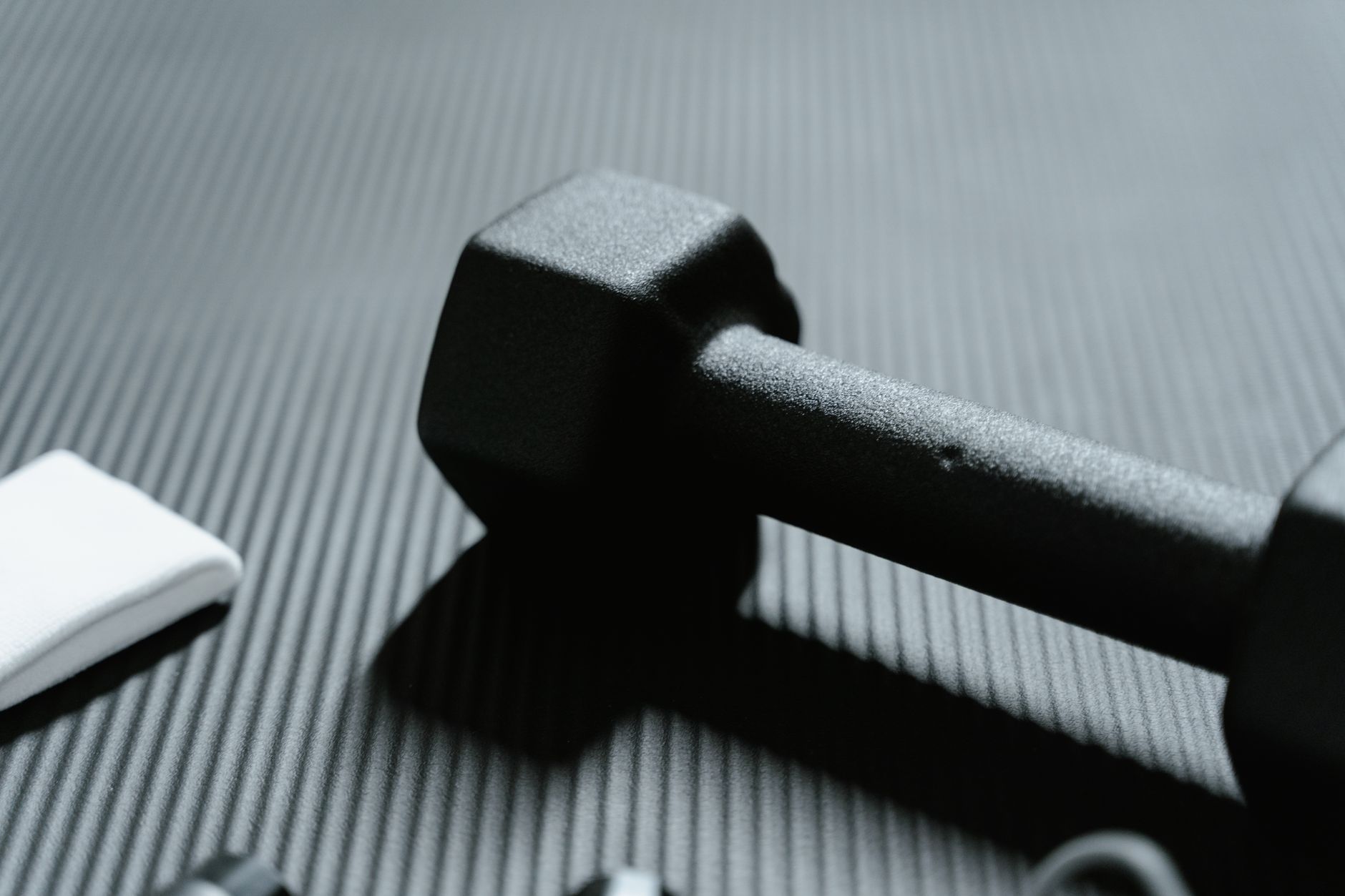
- Adjustable dumbbells (RM300-450 from Decathlon or Shopee)
- Yoga mat or exercise mat (RM50-80)
- Resistance bands set (RM40-70 on Lazada)
- Pull-up bar (doorway or wall-mounted, RM80-150)
- Storage solution (RM100-200)
Intermediate Setup (RM1,500-2,000 budget):
- Power tower or squat rack (RM600-900)
- Olympic barbell and plates (RM400-600)
- Adjustable bench (RM250-400)
- Rubber flooring mats (RM200-300)
Premium Setup (RM2,500+ budget):
- All-in-one home gym system (RM1,500-2,500)
- Commercial-grade rubber flooring
- Professional ventilation upgrade
- Smart storage solutions
Step 1: Choose Your Space and Address Ventilation
Time Required: 30-45 minutes
The biggest mistake I see Malaysian men make is underestimating humidity control. Your equipment will rust, your workouts will be miserable, and you will quit using the space within months if you ignore this.
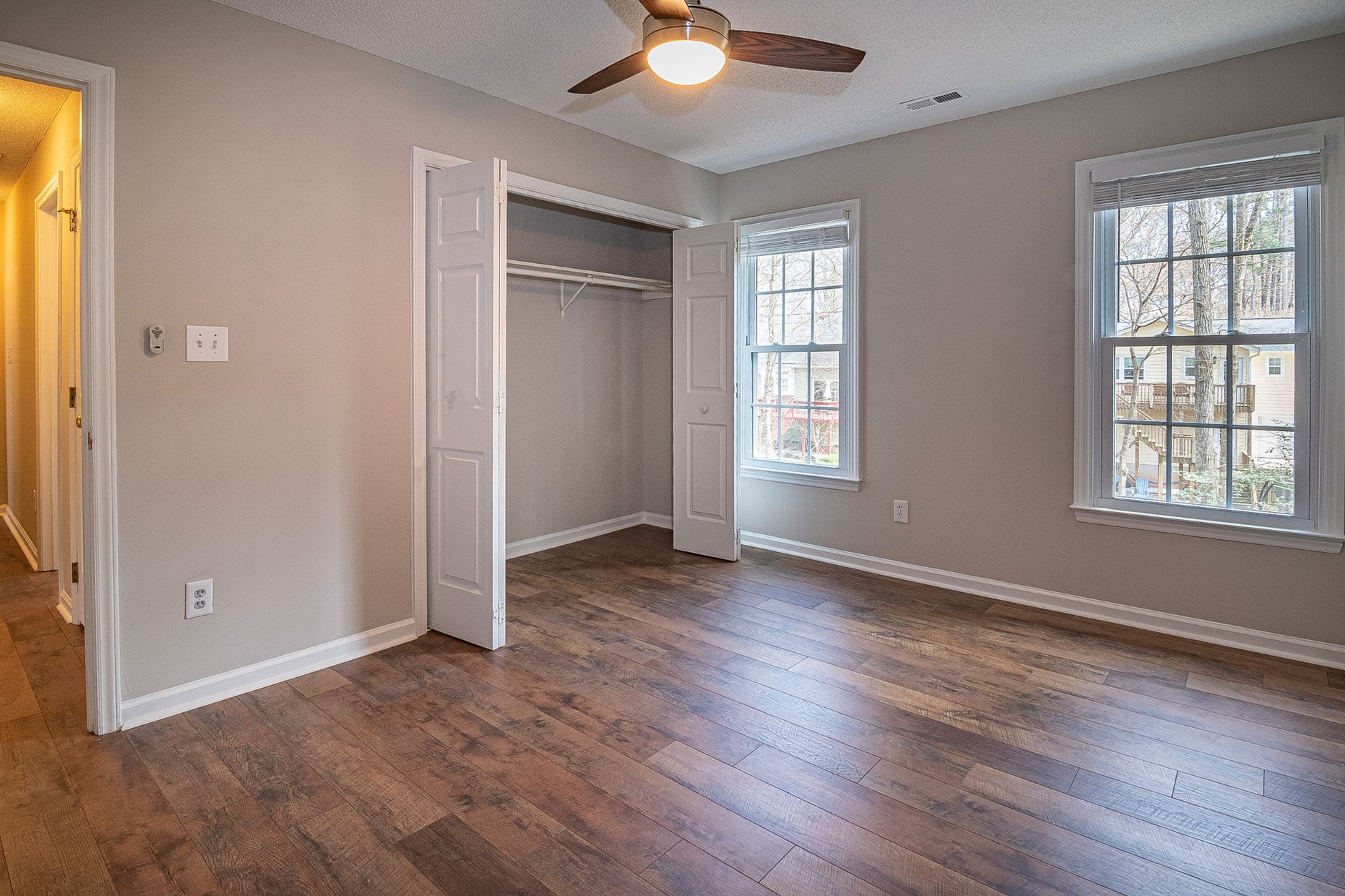
Pick the room with the best airflow in your flat. This is usually not the master bedroom – it is often a spare room or converted study near windows. Clear everything out completely and assess your ceiling height with arms fully extended overhead.
Install a ceiling fan if you do not have one, or ensure your air conditioning can handle the additional heat load. I learned this the hard way in my first Bangsar flat where I tried to work out in a poorly ventilated room.
Common Mistake: Choosing the largest room instead of the best-ventilated room. Space efficiency beats raw size every time.
Step 2: Plan Your Layout and Traffic Flow
Time Required: 45-60 minutes
Measure your space accurately and sketch a basic floor plan. Malaysian apartments are typically compact, so every square meter counts.
Create three zones: storage zone (against one wall), workout zone (center area), and stretching zone (usually near a window for natural light). Leave at least 1.5 meters of clearance around your main workout area.
Consider your neighbors below. Rubber mats are non-negotiable for apartment living. I use 20mm thick interlocking rubber tiles from a local supplier in Puchong – they cost more upfront but last years and actually dampen sound effectively.
Common Mistake: Not accounting for equipment storage between workouts. Your dumbbells cannot live permanently in the center of the room.
Step 3: Install Flooring Protection
Time Required: 1-2 hours
This step separates amateur setups from professional ones. Malaysian apartment floors are typically ceramic tiles or laminate – neither suitable for dropped weights or high-impact movements.
Purchase interlocking rubber floor tiles from Shopee or visit a local fitness equipment supplier in Petaling Jaya. You want minimum 15mm thickness, preferably 20mm if your budget allows. Cover your entire workout zone plus 30cm buffer around the edges.
Start from one corner and work systematically across the room. The tiles should fit snugly without gaps. Use a sharp utility knife to cut edge pieces to size.
Common Mistake: Buying cheap EVA foam mats instead of proper rubber flooring. The foam compresses permanently under weight and provides zero sound dampening.
Step 4: Set Up Your Primary Equipment
Time Required: 1.5-2 hours
Install your heaviest, most permanent pieces first. If you bought a power tower or squat rack, this goes in first and dictates everything else.
For adjustable dumbbells, create a dedicated station against your strongest wall. I mount a small shelf above mine for storing plates and accessories. Position this station where you can easily access it but not trip over it during cardio movements.
Mount your pull-up bar according to manufacturer instructions. For doorway bars, ensure the door frame can handle dynamic loading. Wall-mounted options are more stable but require proper wall anchors – use hollow wall anchors rated for at least 150kg.
Common Mistake: Setting up equipment before testing it. Always do a light workout to identify spacing issues before finalizing positions.
Step 5: Organize Storage and Accessories
Time Required: 45-60 minutes
Storage separates functional home gyms from cluttered disasters. Malaysian apartments do not have excess storage space, so your gym equipment must pack away efficiently.
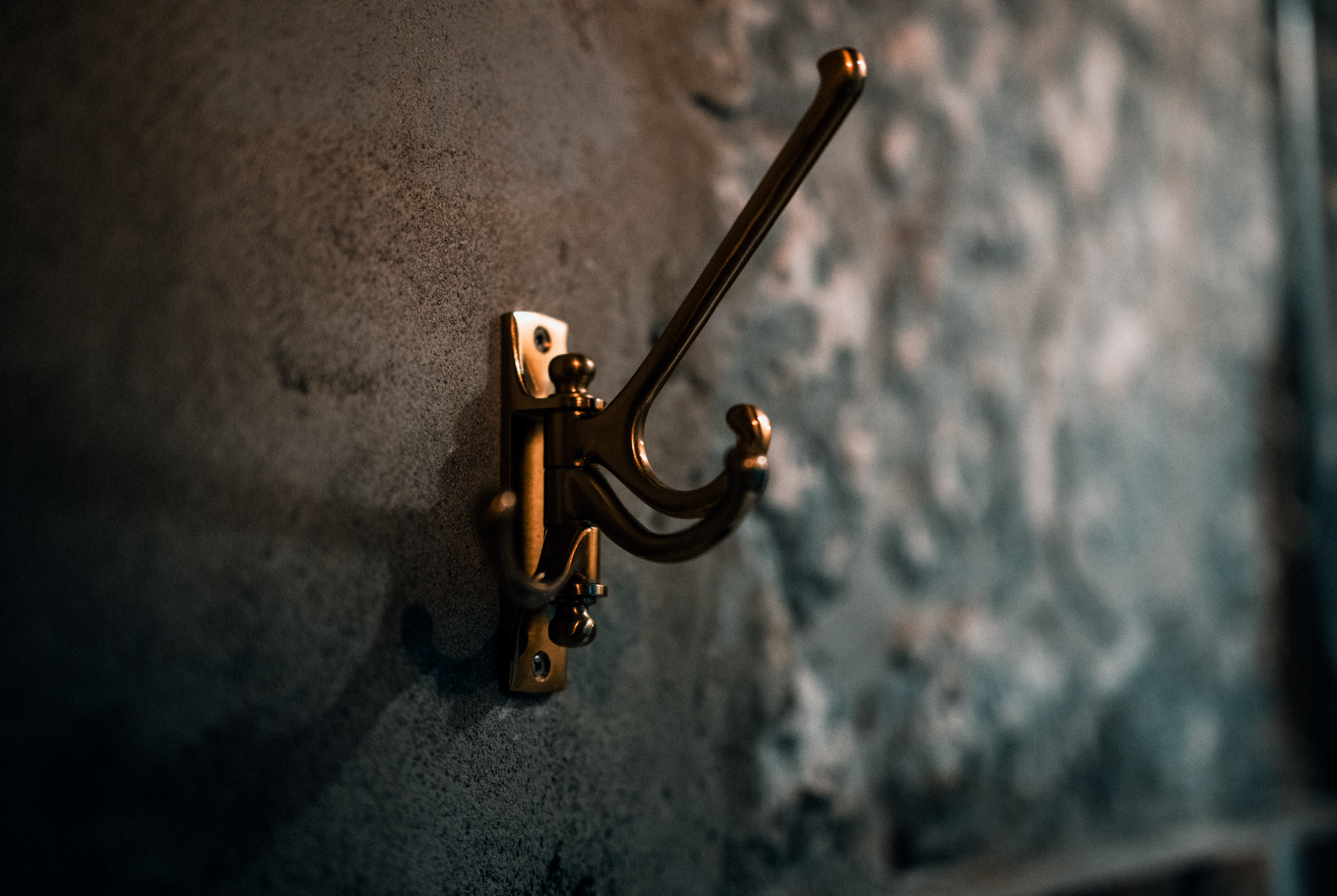
Install wall-mounted hooks for resistance bands, yoga mats, and towels. Use a rolling cart or dedicated storage bench for smaller accessories. Keep frequently used items at eye level and seasonal equipment higher up.
Create a cleaning station with microfiber towels and equipment cleaner. In Malaysian humidity, you must wipe down everything after each session or face rapid deterioration.
Common Mistake: Underestimating how much time daily setup and teardown takes. If it takes more than 2-3 minutes to get ready for a workout, you will skip sessions.
Step 6: Test Your Setup with a Full Workout
Time Required: 30-45 minutes
Before calling the project complete, run through a typical workout routine. Test every piece of equipment in its intended position.
Pay attention to traffic flow between exercises, ceiling clearance during overhead movements, and noise levels during dynamic movements like burpees or jumping jacks. Your neighbors will let you know if you got the sound dampening wrong.
Check that your ventilation keeps the space comfortable throughout a 45-minute session. If you are overheating, you need better airflow before committing to regular workouts.
Common Mistake: Not testing the setup during peak heat hours. A space that feels comfortable at 8am might be unbearable at 2pm without adequate cooling.
Common Mistakes to Avoid
Malaysian men consistently make these errors when setting up home gyms:
Ignoring Humidity Control: Your equipment will rust within months without proper ventilation. Steel plates and barbells are particularly vulnerable.
Underestimating Space Requirements: Measure twice, buy once. That power rack might fit through your door, but can you actually use it with proper form?
Choosing Aesthetics Over Function: Instagram-worthy setups often prioritize appearance over practical daily use in Malaysian conditions.
Skipping Sound Dampening: Your relationship with your downstairs neighbors matters more than saving RM200 on proper flooring.
Buying Everything at Once: Start with basics, use them consistently for 3-6 months, then expand based on what you actually need.

Maintenance Schedule for Malaysian Climate
Your home gym requires consistent maintenance to survive our climate:
After Every Workout:
- Wipe down all metal equipment with dry cloth
- Check rubber mats for moisture buildup
- Ensure adequate ventilation for 30 minutes post-workout
Weekly:
- Deep clean all equipment with appropriate cleaners
- Inspect wall mounts and anchors for loosening
- Rotate equipment positions to prevent uneven wear on flooring
Monthly:
- Apply rust prevention treatment to steel equipment
- Check electrical connections on any powered equipment
- Reorganize storage to maintain efficiency
Quarterly:
- Full equipment inspection for wear and damage
- Replace worn accessories (resistance bands, mats)
- Assess and upgrade ventilation if needed
The investment you make in proper setup and maintenance will pay dividends in equipment longevity and workout consistency. Malaysian humidity is unforgiving, but with the right approach, your home gym will serve you reliably for years.
A well-planned home gym eliminates excuses and puts fitness directly into your daily routine. The convenience of working out at home, especially during our unpredictable weather, makes this one of the best investments you can make for your long-term health.
0 Comments