
Malaysian humidity is brutal on watches. You know this if you’ve ever noticed condensation under your crystal after stepping from Pavilion’s air-con into KL’s 85% humidity. But with the right maintenance routine, your timepieces will survive our climate without the constant trips to watch repair shops in Sungei Wang or Times Square.
This guide will teach you to maintain automatic, quartz, and hybrid watches in Malaysia’s punishing humidity. Time required: 2-3 hours monthly. Difficulty: Easy to Moderate. Essential: You need basic tools and the discipline to stick to a schedule — because in Malaysia, neglecting watch maintenance means expensive repairs within 18 months.
I’ve maintained my collection of 12 watches through five Malaysian years, from a daily Seiko to a weekend Omega. The methods below have saved me thousands in repair costs and kept every piece running accurately through monsoons, haze, and the daily 30-degree temperature swings between office and outdoors.
What You Need: Tools and Supplies
Get these items before starting. Most are available locally, and I’ll tell you exactly where to source them without overpaying.
Essential Tools:
- Watch cleaning cloth (microfiber) — RM8–15 from any Senheng or Harvey Norman
- Soft-bristled toothbrush (new) — RM3–6 from Guardian or Watsons
- Distilled water — RM2–4 per bottle from 99 Speedmart or Cold Storage
- Isopropyl alcohol (70%) — RM8–12 from pharmacy sections in Caring or Guardian
- Watch case opener or coin — RM15–35 from Shopee (search “watch case opener tool”)
- Silica gel packets — RM5–10 for 20 pieces on Lazada

Advanced Tools (Optional):
- Watch demagnetizer — RM45–80 on Shopee, essential if you work around electronics
- Watch timing app — Free download (WatchCheck or Kello)
- Rubber watch cushions — RM12–25 for storage organization
Where to Shop:
The best value comes from mixing sources. Get basics from physical stores (you want to feel microfiber quality), tools from Shopee (wider selection, better prices), and specialty items like demagnetizers online only.
Step 1: Daily Inspection and Wipe-Down
Time: 30 seconds per watch
Every morning, inspect your watch before wearing it. Look for condensation under the crystal, discoloration on the case or bracelet, and any moisture around the crown or pushers.
Wipe down the case and bracelet with a dry microfiber cloth. This removes overnight moisture accumulation — crucial in Malaysian humidity where even air-conditioned rooms reach 60-70% humidity. Pay special attention to the case back and bracelet links where sweat and humidity collect.
Common mistake: Using tissues or rough cloths. These scratch polished surfaces and leave lint in bracelet crevices. Microfiber only — it’s worth the RM10 investment.

Step 2: Weekly Deep Cleaning
Time: 5-8 minutes per watch
Once weekly, perform a thorough cleaning. Remove the bracelet if possible (most modern watches have quick-release systems or removable pins).
Clean the case with a lightly dampened microfiber cloth using distilled water. Never submerge unless you’re certain of water resistance rating — and even then, avoid it with vintage pieces or anything serviced by local shops whose sealing quality you cannot verify.
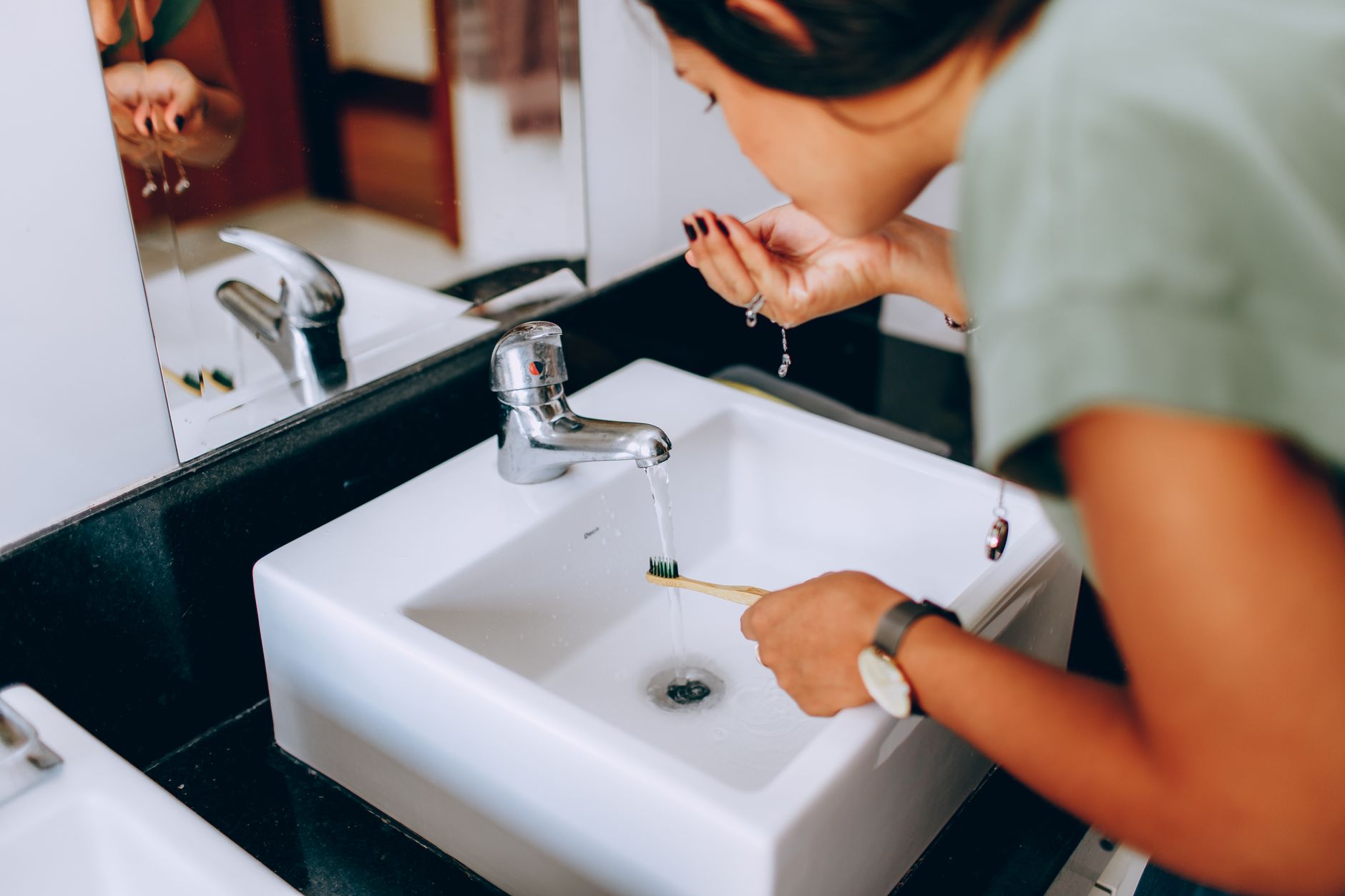
For bracelets, use a soft toothbrush with mild soap and distilled water. Focus on link joints where dead skin and soap residue accumulate. Malaysian humidity makes this buildup worse than in temperate climates.
Why this matters: Weekly cleaning prevents the black grime buildup I see on every poorly maintained watch in Malaysia. Once that sets in, you need professional ultrasonic cleaning at RM80–150 per service.
Step 3: Monthly Moisture and Magnetism Check
Time: 10-15 minutes per watch
Every month, perform two critical checks that Malaysian watch owners often skip.
Moisture Test: Place your watch in a sealed container with fresh silica gel packets for 2-4 hours. If condensation appears inside the crystal, you have a seal failure. Stop wearing it immediately and book professional service.
Magnetism Check: Use a compass app or cheap compass (RM8–12 from hardware stores in Jalan Pasar or SS15). Hold it near your watch movement. If the needle deflects significantly, your watch is magnetized — common in Malaysia where we’re surrounded by phones, MRT magnetic fields, and induction cooktops.
Demagnetizing: If magnetized, use a watch demagnetizer (RM45–80 on Shopee) or visit any watch repair shop. Most charge RM20–40 for demagnetizing, but owning the tool pays for itself after two uses.

Step 4: Quarterly Crown and Function Service
Time: 20-30 minutes per watch
Every three months, service the crown and test all functions. Malaysian humidity penetrates crown threads, making this step non-negotiable.
Unscrew the crown fully and wipe the threads with isopropyl alcohol on a cotton swab. Check for any green corrosion or black buildup — signs that moisture has entered the case.
Test all functions: time setting, date change, chronograph operations (if applicable). Do this systematically, not randomly. Many Malaysian watch owners discover seized chronograph pushers only when they need timing functionality.
Crown resealing: Apply a tiny amount of silicone grease to crown threads before screwing back down. This costs RM15–25 for a tube that lasts years, versus RM200–500 for crown replacement due to corrosion damage.
Common mistake: Over-tightening crowns. Hand-tight is sufficient. Over-tightening strips threads and creates the exact moisture entry points you’re trying to prevent.
Step 5: Semi-Annual Movement Health Check
Time: 15-20 minutes per watch
Twice yearly, assess movement health using timing and power reserve tests.
Timing Check: Use a watch timing app or compare against your phone’s atomic time. Automatic watches should run within +/- 20 seconds daily, quartz within +/- 15 seconds monthly. Anything worse indicates service needs.
Power Reserve Test: For automatics, wind fully and time how long they run without wearing. Most should exceed 38-40 hours. Declining power reserve indicates dried lubricants — common in Malaysian heat that breaks down oils faster than temperate climates.
Movement Inspection: If your watch has an exhibition case back, photograph the movement monthly. Compare photos to spot developing corrosion, dust accumulation, or rotor bearing wear. This early detection saves hundreds in repair costs.

Common Maintenance Mistakes to Avoid
Malaysian watch owners make predictable errors that destroy timepieces within 2-3 years. Avoid these completely:
Using tap water for cleaning: Kuala Lumpur’s heavily chlorinated water corrodes metals and leaves mineral deposits. Distilled water only, always.
Storing watches in humid areas: Bathrooms, kitchen areas, or anywhere without consistent air conditioning. Humidity above 70% will ruin movements, even in “water resistant” watches.
Ignoring gasket replacement: Rubber gaskets deteriorate faster in tropical heat. Service intervals should be 3-4 years maximum in Malaysia, not the 5-7 years recommended for temperate climates.
Wearing the same watch daily: Constant wear in Malaysian humidity prevents thorough drying between uses. Rotate between at least two watches, allowing 24-48 hours between wears.
Your Malaysian Watch Maintenance Schedule
Create this routine and stick to it religiously:
Daily: Visual inspection, wipe-down (30 seconds)
Weekly: Deep cleaning session (5-8 minutes)
Monthly: Moisture and magnetism checks (15 minutes)
Quarterly: Crown service and function testing (30 minutes)
Semi-annually: Movement health assessment (20 minutes)
Annually: Professional pressure testing and gasket inspection
Set phone reminders for monthly and quarterly tasks. Malaysian humidity doesn’t wait for your convenience — it attacks watches continuously, and only consistent maintenance prevents expensive failures.
Store this maintenance log in your phone’s notes app. Track when you last serviced each piece, when gaskets were replaced, and any performance changes. This documentation helps professional watchmakers diagnose problems faster and cheaper.
The investment is minimal — perhaps 3-4 hours monthly for a typical collection. The alternative is watching your timepieces fail systematically, requiring full service costs of RM800–2500 per watch every 18-24 months instead of every 4-5 years with proper maintenance.
Malaysian humidity will test every watch you own. But with systematic care, your collection will outlast the climate and maintain both accuracy and value for decades. Start this routine today — your watches will thank you with years of reliable service.
0 Comments