
Malaysian weddings are legendary for their scale, ceremony, and—let’s be honest—the financial pressure they put on guests. By the end of this guide, you’ll have a bulletproof system for budgeting wedding attendance that protects your wallet while maintaining your social standing.
Time Required: 2-3 hours for initial setup, 30 minutes per wedding invitation
Difficulty: Easy
Climate Consideration: Malaysian wedding seasons peak during school holidays and avoid monsoon months, creating predictable expense clusters you can plan for.
I’ve attended over 40 Malaysian weddings in the past decade—Malay, Chinese, Indian, and mixed ceremonies across KL, Penang, and JB. The couples who wing their wedding guest budgets either overspend by 300% or show up looking underdressed and feeling awkward. Neither outcome serves you well in Malaysia’s tightly-knit professional and social circles.
What You Need
Before diving into the system, gather these essentials:
Financial Tools:
- Spreadsheet app or notebook for tracking (Free – RM15 for premium apps)
- Banking app with budget alerts (Most Malaysian banks offer this free)
- Envelope or separate savings account for wedding funds
Reference Materials:
- Your past ang pow records or cultural gift guidelines (Free research)
- Local tailoring contacts in your area (Consultation fees RM20-50)
- Reliable Grab or transport budget calculations
Shopping Resources:
- Shopee/Lazada accounts for accessories (Delivery RM5-12)
- Access to Pavilion, Mid Valley, or your local mall for formal wear
- Relationships with local Indian, Malay, or Chinese outfit specialists

Step 1: Create Your Annual Wedding Fund
Start every January by estimating your wedding load for the year. Most Malaysians receive 8-15 wedding invitations annually, with peaks in June, September, and December.
Set aside RM200-300 monthly into a dedicated wedding account. This covers the average Malaysian professional’s wedding obligations without deraining your monthly budget. I use Maybank’s savings goal feature to automate this—money moves before I can spend it elsewhere.
Track invitations as they arrive. Note the ceremony type, relationship level, and estimated costs immediately. Malaysian weddings cluster around school holidays, so you’ll often face 3-4 weddings in a single month.
Time Investment: 15 minutes monthly to review and adjust
Common Mistake: Waiting until invitations arrive to start budgeting—by then you’re already behind.
Step 2: Master the Ang Pow Formula
Malaysian wedding gifts follow cultural mathematics, not feelings. Learn these formulas and stick to them religiously.
Chinese Weddings:
- Close family/best friends: RM200-500
- Work colleagues: RM100-200
- Casual friends: RM50-100
- Always use even numbers, avoid amounts with “4”
Malay Weddings:
- Close relationships: RM100-300 cash in decorative envelope
- Colleagues: RM50-100
- Consider bringing a small gift (RM30-80) instead of cash for some families
Indian Weddings:
- Family/close friends: RM200-500
- Professional contacts: RM100-200
- Cash in envelope or small gift items like silver accessories
I maintain a simple note in my phone with these ranges. When an invitation arrives, I decide the gift amount immediately and transfer that money to my wedding fund. No second-guessing, no last-minute ATM scrambles.
Time Investment: 5 minutes per invitation
Common Mistake: Overthinking the amount—stick to social conventions and your budget ceiling.
Step 3: Build Your Wedding Wardrobe System
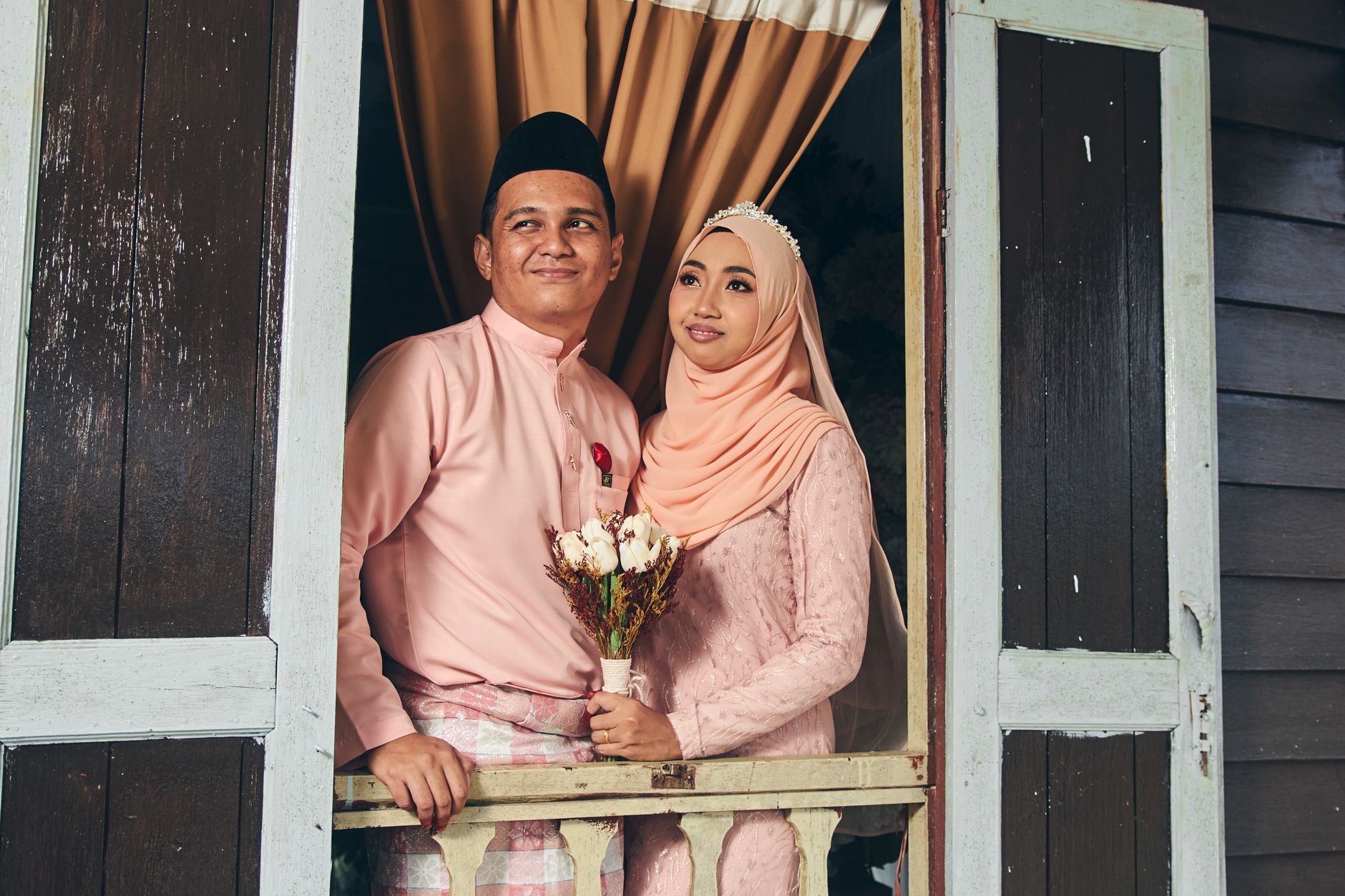
Malaysian weddings demand outfit variety, but you don’t need a new ensemble every time. Build a versatile foundation that works across cultures and seasons.
Core Investment Pieces (Budget RM800-1200 total):
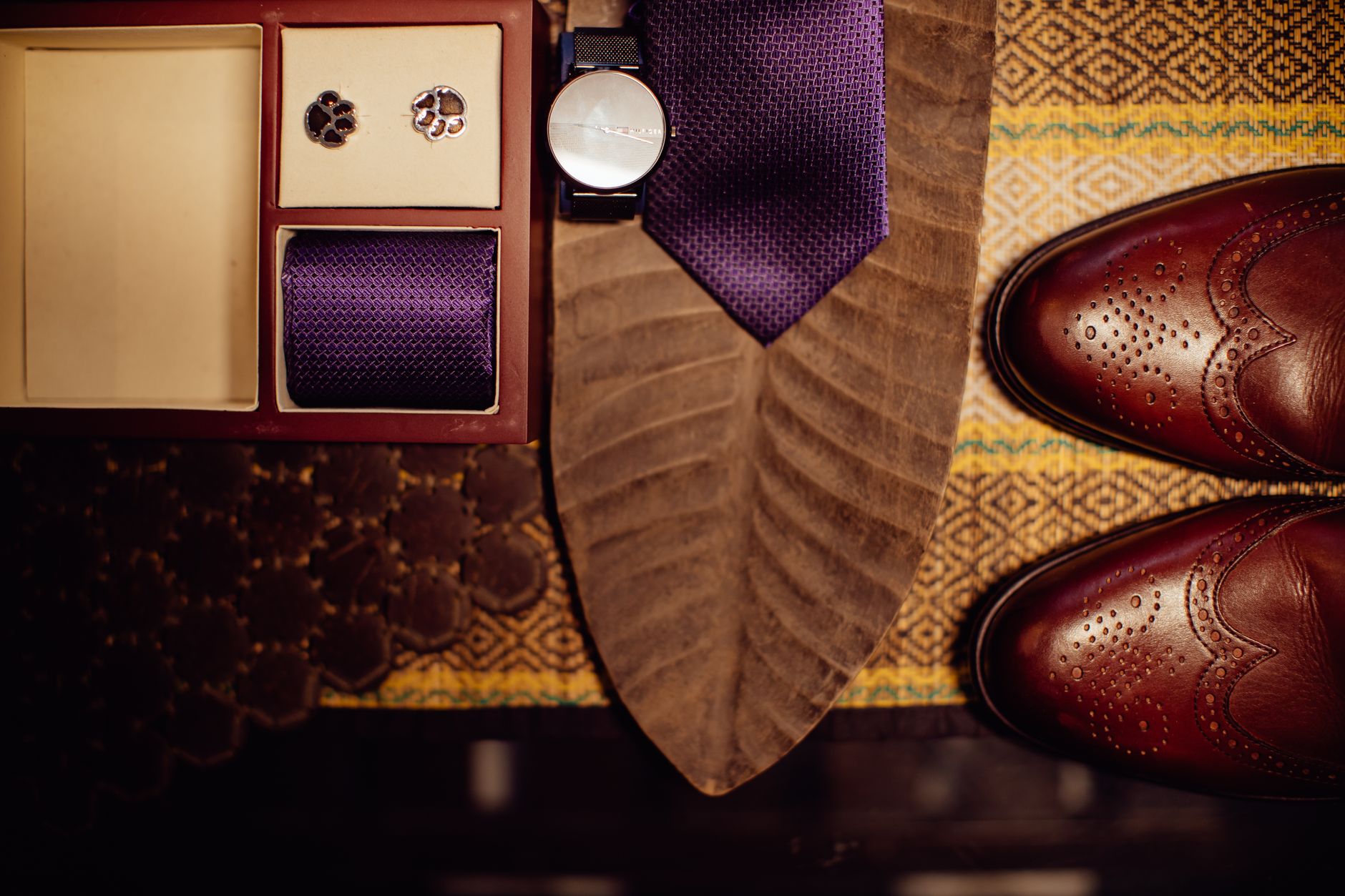
- One well-fitted dark suit (RM400-600 from brands like Sacoor or local tailors)
- Two quality dress shirts: white and light blue (RM120-200 each)
- Conservative tie collection (RM50-80 each, buy 3-4 patterns)
- Black leather dress shoes (RM200-350)
- Traditional outfit for your own culture (RM200-500)
Seasonal Additions:
- Lightweight blazer for outdoor ceremonies (RM200-400)
- Pocket squares for variety (RM20-50 each)
- Cultural accessories: songkok, punjabi shoes, etc. (RM50-200)
Shop during mid-year sales at Pavilion or Mid Valley. I bought my primary wedding suit during a Sacoor 30% off promotion—it’s paid for itself over 20 ceremonies. For traditional wear, visit Jalan Tar for Malay outfits, Little India for Indian formal wear, or Petaling Street for Chinese-style pieces.
Time Investment: One weekend shopping trip, 2 hours for tailoring fittings
Common Mistake: Buying new outfits for every wedding instead of investing in quality pieces that mix and match.
Step 4: Calculate Total Attendance Costs
Beyond gifts and clothes, Malaysian weddings hit your wallet from multiple angles. Factor in all expenses before committing to attend.
Transportation:
- Local KL ceremonies: RM15-40 Grab each way
- Outstation weddings: RM100-400 for flights or petrol plus tolls
- Parking at venues: RM5-15
Additional Costs:
- Hair/grooming: RM30-80 at local salons
- Wedding favors reciprocal gifts: RM20-50
- Meals during travel: RM50-150 for outstation events
- Hotel accommodation: RM150-400 per night for destination weddings
Create a simple formula: Gift amount + outfit costs (amortized) + transport + extras = total wedding cost. For local KL weddings, I budget RM150-300 total. Outstation ceremonies run RM400-800 depending on location and relationship.
Time Investment: 10 minutes per invitation to calculate true costs
Common Mistake: Only budgeting for the ang pow and getting surprised by transport and accommodation costs.
Step 5: Implement the Three-Tier Attendance System
Not all wedding invitations deserve the same response. Implement a tier system that respects relationships while protecting your resources.
Tier 1 – Must Attend (Budget accordingly):
- Family members
- Close personal friends
- Direct boss or key business relationships
- Attend ceremony and reception, full gift amount
Tier 2 – Selective Attendance:
- Work colleagues
- Extended family
- Social circle friends
- Consider attending ceremony only, moderate gift
Tier 3 – Gift Only:
- Distant relatives
- Professional acquaintances
- Friends you rarely see
- Send gift with apologies, skip attendance
I learned this system after burning out on wedding attendance in my early 30s. Now I attend 8-10 ceremonies per year instead of trying to hit every invitation. My closest relationships understand, and casual connections appreciate the gift regardless.
Time Investment: 5 minutes to categorize each invitation
Common Mistake: Trying to attend every wedding out of obligation, leading to financial and social exhaustion.
Common Wedding Budget Mistakes
Underestimating Cluster Costs: Malaysian weddings bunch together during school holidays. June might bring five invitations while February brings none. Build buffers for peak months.
Ignoring Cultural Learning Curves: Your first Tamil wedding will cost more because you don’t know the customs. Budget extra for ceremonies outside your cultural comfort zone until you learn the patterns.
Outfit Panic Buying: Rushing to buy wedding attire leads to overspending and poor choices. Shop during sales months before wedding season peaks.
Transport Miscalculations: KL traffic turns 30-minute drives into 90-minute ordeals. Budget for premium Grab or leave extra early to avoid surge pricing.
Gift Reciprocity Pressure: Some families give expensive wedding favors, making you feel obligated to increase your gift. Stick to your predetermined amount regardless of what you receive.
Your Wedding Budget Maintenance Schedule
Monthly (First Weekend):
- Review upcoming invitations
- Transfer budgeted amount to wedding fund
- Check formal wear condition and plan any replacements
Quarterly:
- Assess actual spending against budget
- Adjust monthly allocation based on invitation trends
- Shop for outfit additions during sale seasons
Annually (December):
- Calculate total wedding expenses for tax planning
- Review and update gift amount formulas
- Plan wardrobe refresh for the coming year
Malaysian wedding culture rewards consistency over extravagance. Guests who show up appropriately dressed with culturally appropriate gifts earn more respect than those who overspend dramatically on single occasions. Your systematic approach will serve you well through decades of celebrations.
The couples getting married will appreciate your presence and thoughtful gift. More importantly, you’ll enjoy their special day without the financial stress that ruins so many wedding experiences for unprepared guests.

0 Comments