
Creating the right lighting in your home can transform a cramped Malaysian flat into a space that feels twice as large and infinitely more comfortable. After five years of optimizing lighting in three different units across KL and Penang, I can tell you that most Malaysian homes suffer from the same basic mistakes: over-reliance on harsh ceiling lights, ignoring natural light potential, and choosing the wrong color temperature for our humid climate.
Time Required: 4-6 hours over one weekend
Difficulty: Moderate
What You’ll Achieve: Layered lighting that makes your space feel larger, more welcoming, and properly lit for both work and relaxation
The difference between good and bad lighting becomes obvious the moment you walk into a well-lit home. Everything looks intentional. Colors appear richer. The space feels more expensive than it actually is.
What You Need
Here’s everything required, with realistic Malaysian pricing and availability:
Essential Tools:
- Voltage detector (RM15-25, Shopee/Lazada)
- Phillips head screwdriver set (RM20-35, Mr. DIY)
- Wire strippers (RM25-40, local hardware stores)
- Measuring tape (RM10-20, anywhere)
- Pencil for marking (RM2-5)
Lighting Components:
- LED bulbs, various wattages (RM8-25 each, widely available)
- Dimmer switches (RM35-80 each, Shopee/electrical shops)
- Track lighting system (RM120-300, IKEA/Courts)
- Table lamps (RM80-250 each, depending on quality)
- Floor lamps (RM150-400, Home’s Harmony/IKEA)
Optional Upgrades:
- Smart switches (RM60-150, Shopee/Lazada)
- LED strip lights (RM25-60 per 5m roll)
- Timer switches (RM40-80, electrical suppliers)

Step 1: Map Your Current Lighting Situation
Start by documenting every light source in your home during different times of day. I learned this the hard way after installing beautiful track lighting that looked perfect at night but created harsh shadows during the afternoon.
Walk through each room at 9 AM, 2 PM, 6 PM, and 9 PM. Note where shadows fall, which corners stay dark, and where glare becomes problematic. Malaysian homes typically receive strong direct sunlight from the east or west, creating extreme contrast that most people try to solve with brighter bulbs—the wrong approach.
Take photos from the same positions at each time. This documentation will guide every decision you make later.
Time Required: 45 minutes
Common Mistake: Assuming you know your lighting without actually measuring and documenting it
Step 2: Choose the Right Color Temperature for Malaysia
Malaysian humidity and bright outdoor light create specific requirements that differ from temperate climate advice. After testing various combinations, I’ve settled on a two-temperature system that works consistently across different Malaysian homes.
Use 3000K (warm white) for living areas, bedrooms, and anywhere you want to relax. The warm tone counterbalances the cool, harsh quality of tropical sunlight streaming through windows. Use 4000K (neutral white) for kitchens, bathrooms, and workspaces where you need accurate color rendering.
Avoid 2700K bulbs popular in Western homes—they look muddy and yellow against Malaysia’s intense natural light. Skip 5000K+ unless you’re setting up a photography studio.
Time Required: 30 minutes planning, 1 hour shopping
Common Mistake: Mixing too many color temperatures, creating a disjointed feeling

Step 3: Install Dimmer Switches on Main Circuits
Dimmer switches solve the single biggest lighting problem in Malaysian homes: the inability to adjust brightness for different times of day and activities. Most local electricians can install these in 20-30 minutes per switch.
Replace the switches controlling your main ceiling lights first—living room, master bedroom, and dining area. Choose dimmer switches rated for LED bulbs specifically. Many older dimmers designed for incandescent bulbs will cause LED flickering or buzzing.
If you’re comfortable with basic electrical work, installation is straightforward: turn off the circuit breaker, remove the old switch, connect the three wires to the dimmer (following the included diagram), and test. If not, any neighborhood electrician will charge RM50-80 per switch including installation.
Time Required: 30 minutes per switch (DIY) or 2 hours total (professional)
Common Mistake: Buying cheap dimmers that don’t work properly with LED bulbs
Step 4: Create Three Layers of Light
Proper lighting requires three distinct layers working together: ambient (general illumination), task (focused light for activities), and accent (decorative or mood lighting). Malaysian homes typically only have ambient lighting, creating the flat, institutional feeling most of us accept as normal.
Ambient Layer: Your ceiling-mounted lights, properly dimmed. These should provide 70% of your total illumination needs.
Task Layer: Table lamps beside seating areas, under-cabinet lighting in kitchens, desk lamps in work areas. These add focused light exactly where activities happen.
Accent Layer: Floor lamps in corners, LED strips behind TVs or under cabinets, picture lights. These create depth and visual interest.
Install one item from each layer in your living room first. You’ll immediately see how much more sophisticated and comfortable the space feels.
Time Required: 2-3 hours for complete living room setup
Common Mistake: Installing all ambient lighting first, then wondering why accent lighting doesn’t seem to matter
Step 5: Maximize Natural Light Without Glare
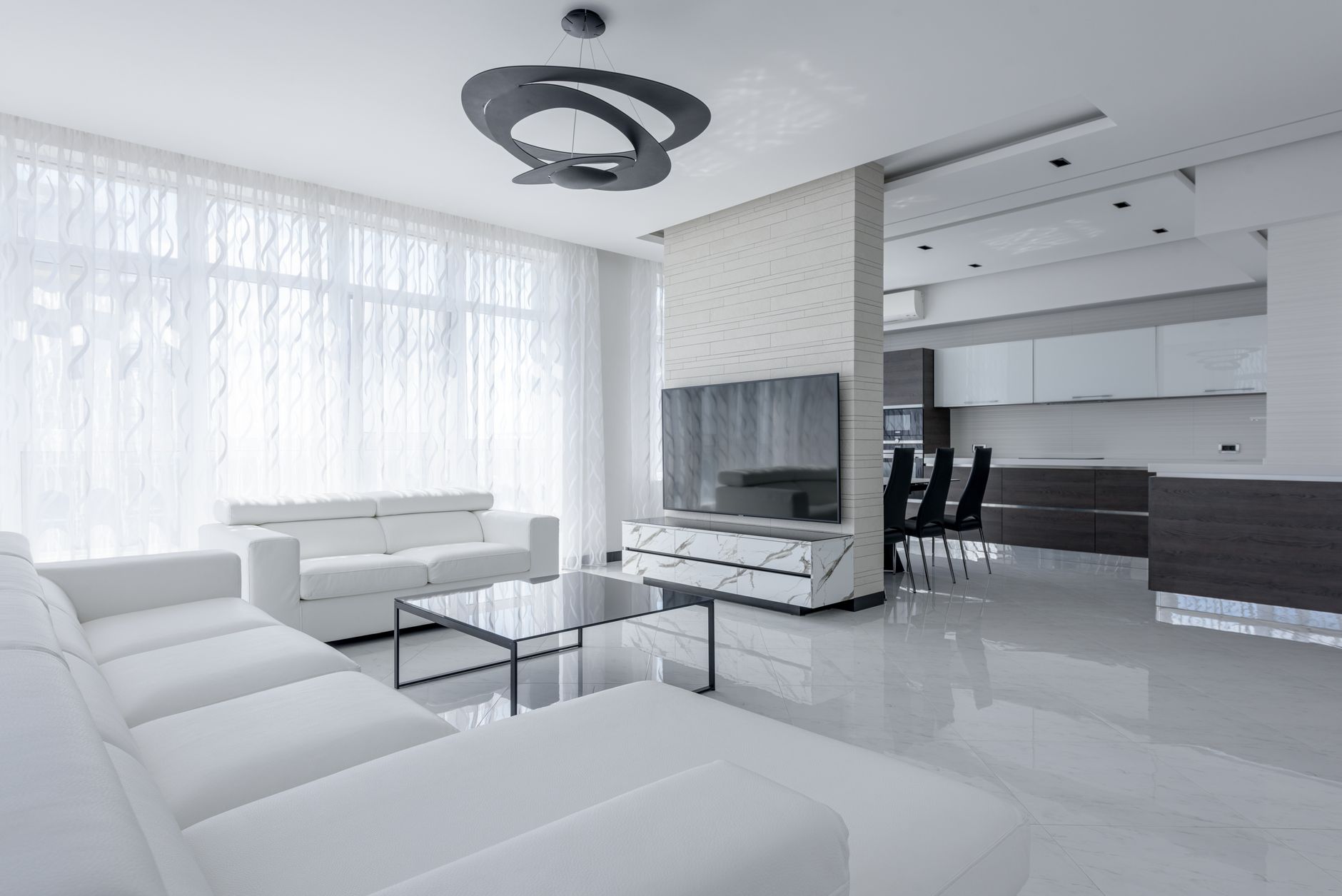
Malaysian homes receive abundant natural light, but most people block it entirely with heavy curtains or suffer through harsh glare. The solution is controlling and redirecting natural light, not eliminating it.
Replace heavy curtains with light-filtering blinds or sheer curtains that reduce glare while maintaining brightness. Install these inside the window frame rather than covering the entire wall—you’ll gain visual width and allow maximum light penetration.
For windows receiving direct afternoon sun, consider 3M window film (available through local suppliers, RM15-25 per square foot installed). This reduces heat gain by 50-70% while maintaining natural light quality.
Position mirrors strategically to bounce light into darker areas. A large mirror opposite a window can double the perceived natural light in a room.
Time Required: 1-2 hours per room
Common Mistake: Treating natural light as something to block rather than control and enhance
Step 6: Install Task Lighting Where You Actually Need It
Most Malaysians live with insufficient task lighting because they assume ceiling lights should illuminate everything. After working from home for two years with poor lighting, I learned that targeted task lighting dramatically improves both comfort and productivity.
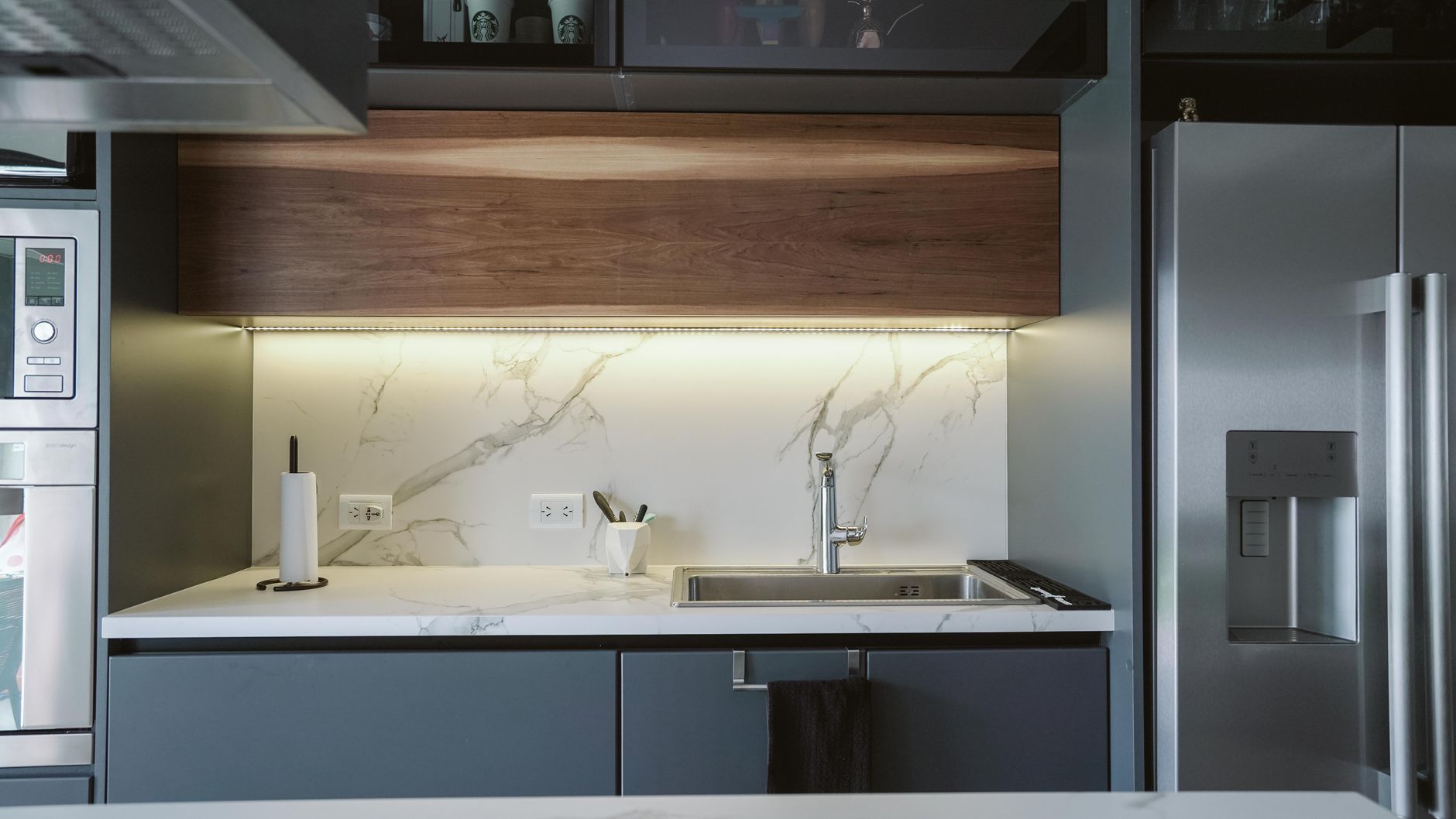
Install under-cabinet LED strips in kitchens—the difference in cooking efficiency is remarkable. Add table lamps beside every seating position where someone might read, use a phone, or work on a laptop. Position desk lamps to eliminate shadows on your keyboard and documents.
For bedside reading, wall-mounted swing-arm lamps work better than table lamps in smaller Malaysian bedrooms. They save space and provide better light positioning.
Time Required: 2-3 hours for essential task lighting
Common Mistake: Positioning task lights for decoration rather than function
Step 7: Add Accent Lighting for Depth and Atmosphere
Accent lighting transforms a functional space into somewhere you want to spend time. This layer requires the least technical skill but has the most dramatic visual impact.
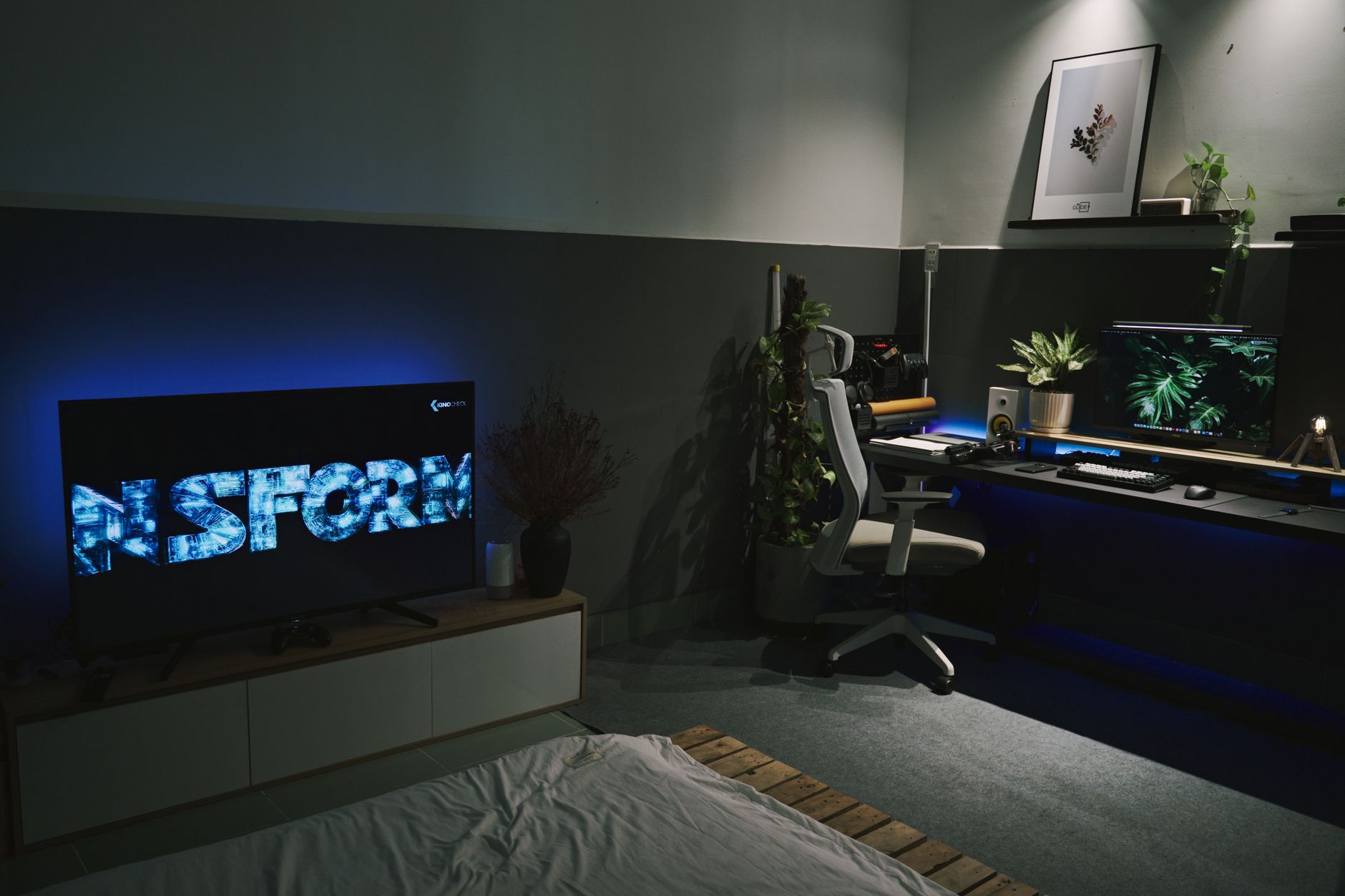
Start with LED strip lights behind your TV or entertainment center. The indirect glow reduces eye strain and makes the room feel larger. Use warm white (3000K) strips—cool white creates a harsh, commercial feeling.
Add one floor lamp in the darkest corner of each main room. Position it to create indirect lighting that bounces off walls and ceiling. This eliminates the cave-like feeling common in Malaysian homes with small windows.
Table lamps on side tables or floating shelves provide pools of warm light that make spaces feel intimate and welcoming.
Time Required: 1-2 hours per room
Common Mistake: Over-lighting with accent pieces, eliminating the contrast that creates atmosphere
Common Lighting Mistakes to Avoid
Using Only Overhead Lighting: Creates harsh shadows and makes faces look unflattering. Layer different light sources at various heights.
Wrong Bulb Placement: Positioning bulbs too high creates glare, too low creates insufficient coverage. Ceiling fixtures should be 7-8 feet from the floor in standard Malaysian units.
Ignoring Light Direction: Pointing all lights downward flattens the space. Include uplighting and side lighting for depth.
Cheap Electrical Components: Unreliable dimmer switches and poor-quality LED bulbs create flickering, buzzing, and premature failure. Pay RM50-80 for quality dimmers rather than RM20 alternatives.
Mismatched Color Temperatures: Mixing 2700K, 4000K, and 5000K bulbs in the same space creates visual chaos. Stick to your chosen warm/neutral combination.
Maintenance Schedule for Malaysian Climate
Malaysia’s humidity and temperature fluctuations require more frequent lighting maintenance than temperate climates.
Monthly: Clean lamp shades and light fixtures with microfiber cloth. Dust buildup reduces light output by 15-20% in humid conditions.
Quarterly: Check all electrical connections for corrosion or looseness. Test dimmer switches for smooth operation.
Biannually: Replace any flickering or dimming LED bulbs. Rotate bulb positions if some areas get more use than others.
Annually: Professional electrical inspection if you’ve installed multiple new circuits or switches.
Good lighting pays dividends every single day. You’ll sleep better, work more efficiently, and enjoy your home more. The initial time investment creates returns for years—and guests will always comment on how much better your place feels than similar units.
Start with one room this weekend. Map the lighting, install a dimmer switch, and add one task light and one accent light. You’ll immediately understand why proper lighting matters and feel motivated to tackle the rest of your home.
0 Comments