
Your formal shirts hang perfectly for exactly three weeks. Then the humidity wins. The collar warps, cotton feels perpetually damp, and your RM400 dress shirt looks like it belongs in the discard pile.
I have destroyed more formal wear in my first five years working in KL than I care to admit. Dry cleaning bills that rivaled my car payments. Shirts that looked great in Pavilion but fell apart in my Bangsar apartment. The Malaysian climate does not forgive cheap shortcuts or Western storage advice.
This guide will teach you to store formal wear properly in our 80% humidity reality. Your clothes will last years longer, look crisp when you need them, and save you thousands in premature replacements.
Time Required: 2-3 hours initial setup, 15 minutes monthly maintenance
Difficulty: Easy to Moderate
Climate Consideration: Built specifically for Malaysia’s year-round humidity and temperature swings
What You Need
Here’s your complete toolkit, with realistic Malaysian pricing as of writing:
Essential Equipment:
- Cedar blocks or lavender sachets: RM15–25 per pack (Shopee, Mr. DIY)
- Moisture absorber boxes: RM8–12 each (99 Speedmart, Jaya Grocer)
- Proper wooden hangers: RM25–45 per set of 6 (IKEA, Muji)
- Garment covers: RM30–60 for breathable cotton set (Lazada, departmental stores)
- Vacuum-sealed storage bags: RM20–35 per pack (Daiso, online platforms)
Optional but Recommended:
- Small dehumidifier: RM150–280 (Courts, Harvey Norman)
- Cedar hanger inserts: RM35–50 per set (specialty stores in Mid Valley)
- Suit travel case: RM120–220 (Isetan, Robinson)

Total investment: RM200–400 for a complete system that protects thousands in clothing.
Step 1: Create Your Climate-Controlled Zone
Malaysia’s humidity fluctuates between 70-90% depending on the season and your location. Your wardrobe needs to become a microclimate that stays consistently below 60%.
Choose your storage location strategically. Avoid wardrobes against exterior walls, especially in older apartments where moisture seeps through concrete. The master bedroom is usually your best bet — better air circulation than spare rooms, and you are more likely to notice problems early.
Install moisture absorbers at both the top and bottom of your storage space. Humidity rises, but in Malaysia’s climate, moisture attacks from every angle. Replace these every 6-8 weeks religiously — not when they look full, but on schedule.
Time estimate: 45 minutes setup
Common mistake: Using the spare room wardrobe because it has more space. Spare rooms in Malaysian homes often have poor ventilation and become humidity traps.
Step 2: Prep Your Formal Wear Properly
Every piece needs proper cleaning before storage. This means professional dry cleaning for suits, wool pants, and structured blazers. For cotton dress shirts, a thorough wash followed by complete air-drying works, but ensure zero moisture remains.
Check for stains you missed. Malaysian humidity amplifies organic stains — that tiny curry spot becomes a permanent discoloration in storage. Better to discover it now than when you need the shirt for a client dinner.
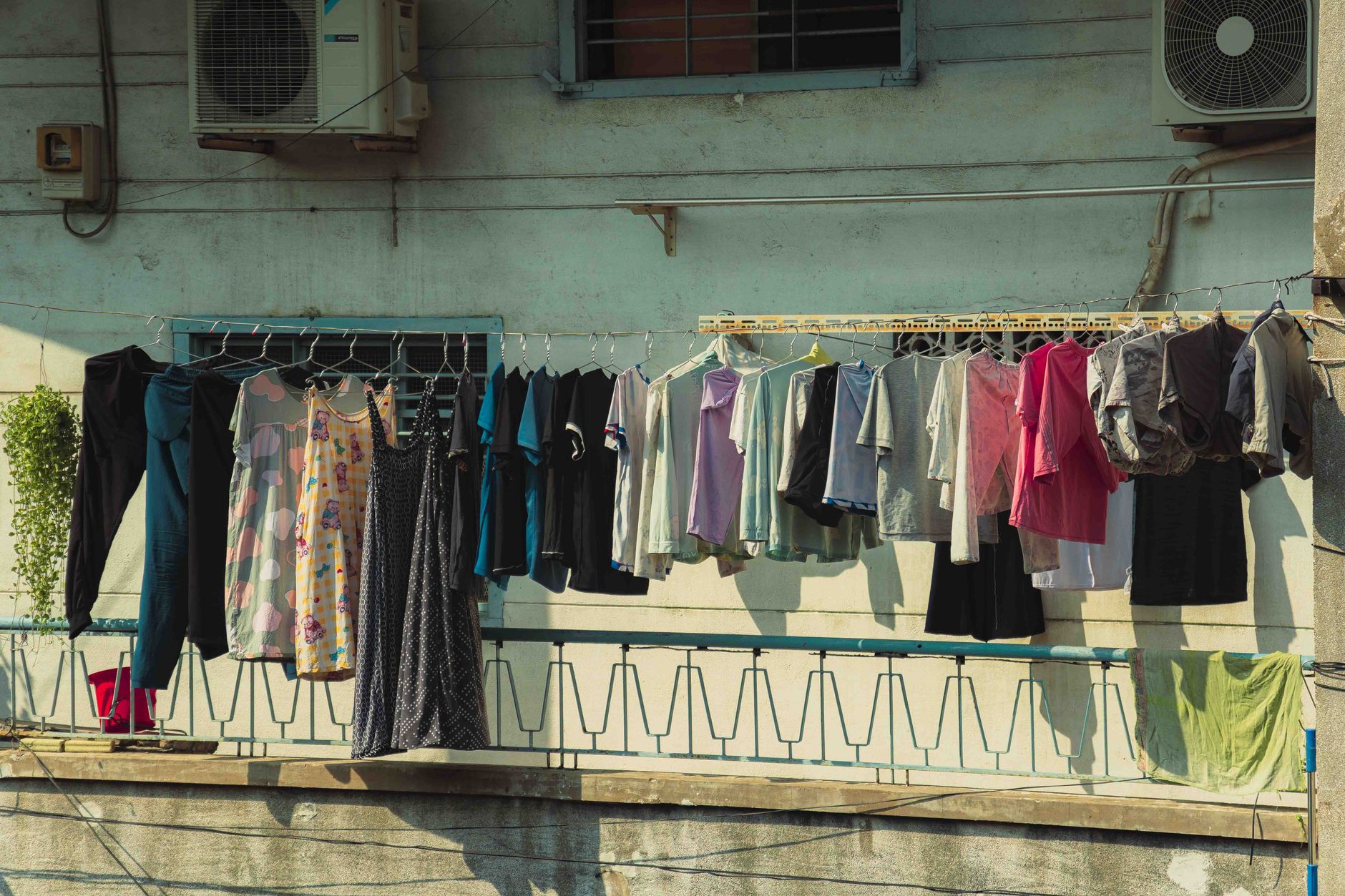
Let everything air for 24 hours after cleaning, even dry-cleaned items. Cleaning solvents need to fully evaporate, and rushing this step leads to chemical odors that trap in humid storage.
Time estimate: 30 minutes active work, 24 hours drying time
Common mistake: Storing clothes immediately after dry cleaning. The plastic bags and residual chemicals create the perfect environment for mold in our climate.
Step 3: Master the Hanging Strategy
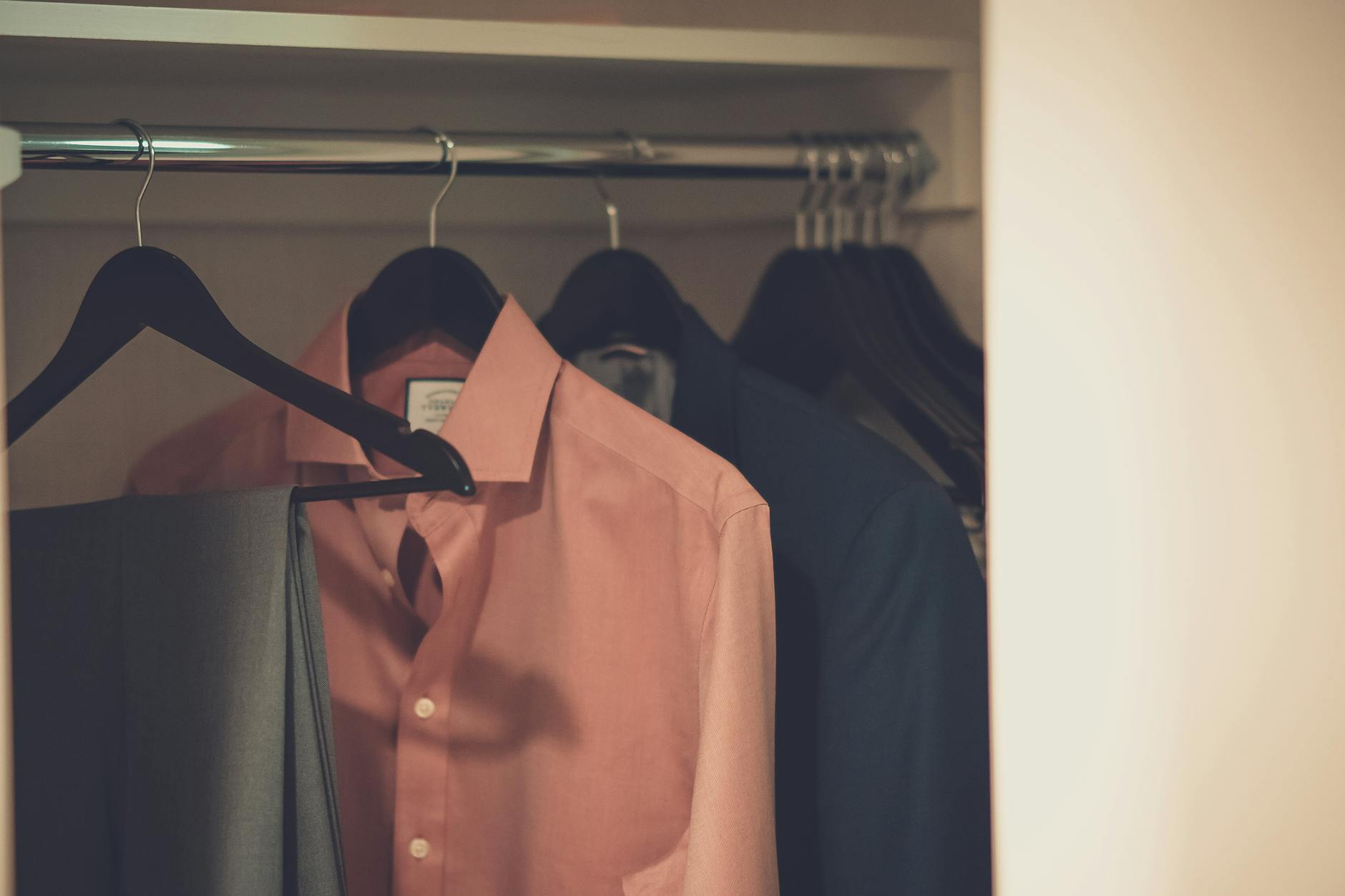
Wooden hangers are non-negotiable for anything with structure. Wire hangers from the dry cleaner will warp shoulders over time, and plastic hangers crack in Malaysian heat-humidity cycles.
Space garments with at least 2-3 cm between pieces. Air circulation prevents moisture buildup, and overcrowding is storage death in tropical climates. If your wardrobe feels tight, you need fewer clothes or more space.
Use garment covers for your best pieces, but choose breathable cotton, never plastic. I learned this lesson with a RM600 Hugo Boss suit that developed mold spots under plastic covering during one particularly humid Klang Valley monsoon season.
Time estimate: 20 minutes per 10 garments
Common mistake: Using the plastic bags from dry cleaning as permanent covers. They trap moisture and create perfect mold conditions.
Step 4: Organize by Frequency and Fabric
Group clothes by how often you wear them and fabric weight. Daily rotation items stay most accessible. Special occasion pieces go toward the back, but not so far back that you forget to check them.
Heavy wools and structured suits need the most protection. These go in the driest part of your wardrobe, usually the center section away from walls. Cotton shirts can handle slightly more humidity but still need proper spacing.
Keep a rotation schedule. Even stored clothes benefit from occasional air exposure. Monthly inspection prevents small problems from becoming expensive disasters.
Time estimate: 30 minutes initial organization
Common mistake: Setting up perfect organization then never maintaining it. Malaysian humidity requires active management, not passive hoping.
Step 5: Implement the Vault System for Premium Pieces
Your most expensive suits and formal wear need special treatment. I call this the vault system — vacuum-sealed storage with extra protection layers.
Use vacuum-sealed bags only for seasonal storage, not daily rotation pieces. Place cedar sachets inside before sealing, and include a small moisture indicator card if you can find them locally. Store these sealed units in the coolest, driest part of your home.
Document what goes into vault storage. Take photos and keep a simple list. Six months later, you will not remember which navy suit you vacuum-sealed or whether the gray wool pants are in rotation or storage.
Time estimate: 15 minutes per suit
Common mistake: Vacuum-sealing everything and forgetting about it. Even sealed clothes need periodic checks in tropical climates.

Common Malaysian Storage Mistakes
The Air-Con Dependency Trap: Running air-conditioning 24/7 to control wardrobe humidity. This works but costs RM300+ monthly in electricity. Better investment: proper moisture control that works passively.
The Spare Room Disaster: Using the guest room wardrobe because it has space. Most spare rooms in Malaysian homes become humidity chambers without daily use and ventilation.
The Seasonal Ignorance: Storing clothes the same way year-round. Monsoon season requires more aggressive moisture control than dry periods.
The Quick Fix Mentality: Buying cheap storage solutions from pasar malam. That RM5 moisture absorber might save money upfront but fails when you need it most.
Your Maintenance Schedule
Weekly: Visual inspection of frequently worn items. Look for early signs of moisture damage or pest activity.
Monthly: Replace moisture absorbers. Rotate stored clothes to ensure air circulation. Check cedar blocks for effectiveness.
Quarterly: Deep inspection of all stored formal wear. Air out pieces that haven’t been worn. Replace any failing storage materials.
Bi-annually: Complete wardrobe audit before and after monsoon seasons. Adjust moisture control strategies based on seasonal changes.
Malaysian humidity never sleeps. Your storage system cannot either. But with consistent attention, your formal wear will outlast the tropical climate instead of surrendering to it.
The alternative — replacing good clothes prematurely because of storage failures — costs far more than doing this right from the start. Your future self, standing confidently in a perfectly preserved suit, will thank you for the effort.
0 Comments