
Watch sizing is the difference between looking intentional and looking like you borrowed your father’s timepiece. After fitting hundreds of watches across six years of collecting, I can tell you that most Malaysian men get this completely wrong — and it shows every time they shake hands or reach for their wallet.
This guide will teach you to size any watch properly for your wrist, whether you’re buying from Pavilion KL or Shopee. You’ll need 30-45 minutes and basic measuring tools. Difficulty: Easy. The result: a watch that feels like an extension of your arm, not an accessory fighting against it.
What You Need:
- Measuring tape or ruler (RM5–8 at 99 Speedmart)
- Paper and pen for recording measurements
- Calculator or smartphone
- Good lighting (natural light preferred)
- Optional: Digital calipers for precision (RM15–25 on Shopee)
Step 1: Measure Your Wrist Accurately
Place the measuring tape around your wrist bone, just below the prominent bump where your hand connects to your forearm. Pull snug but not tight — you should be able to slide one finger underneath. Record this measurement in millimeters.
Most Malaysian men measure between 160mm–190mm. I measure 175mm, which puts me squarely in the average range for local wrists. This base measurement determines everything else.
The common mistake here is measuring too loose or too high on the forearm. Measure at the exact spot where you plan to wear the watch. In Malaysia’s humidity, your wrist will swell slightly throughout the day, so measure at different times and take an average.
Time needed: 2–3 minutes.

Step 2: Determine Your Ideal Case Diameter
The case diameter — measured from 3 o’clock to 9 o’clock — should occupy 60–75% of your wrist width. For a 175mm wrist like mine, that means 36–42mm cases work best. Smaller wrists (160mm) look best with 34–38mm. Larger wrists (185mm+) can handle 40–44mm.
I own watches from 36mm to 42mm. The 36mm Seiko looks refined for business meetings in Bangsar. The 42mm Tudor works for weekend trips to Penang. Both feel proportional because they follow the 60–75% rule.
Never go bigger than 75% of your wrist width. That 45mm Panerai might look impressive in the boutique, but it will overwhelm a typical Malaysian wrist and scream “trying too hard” in local business contexts.
Time needed: 5 minutes for calculation and mental visualization.
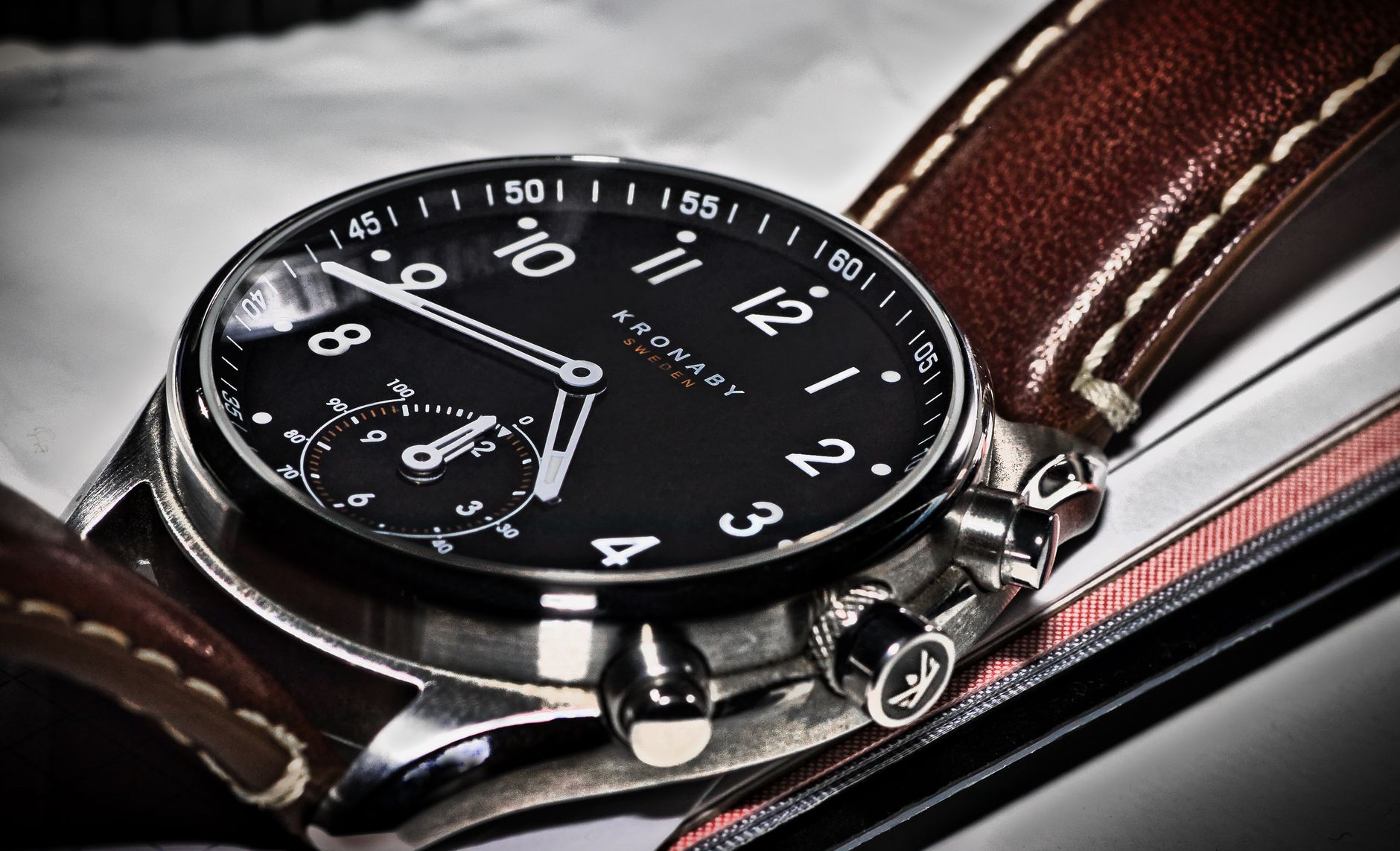
Step 3: Check the Lug-to-Lug Distance
Lug-to-lug measures from the top of the watch to the bottom, including the protruding metal pieces where the strap attaches. This measurement must be shorter than your wrist width, or the watch will hang over your wrist edges like an ill-fitting cuff.
For my 175mm wrist, I never exceed 48mm lug-to-lug. Watches with 50mm+ lug-to-lug measurements look ridiculous on Malaysian wrists, regardless of case diameter. I learned this the hard way with a 44mm Omega that had 52mm lug-to-lug — proportionally correct diameter but still looked oversized.
Sports watches tend to have longer lugs than dress watches. That Casio G-Shock might have a 42mm case but 55mm lug-to-lug. Check both measurements before buying, especially from Shopee listings that often omit lug-to-lug specs.
Time needed: 3–5 minutes to locate specifications and measure.
Step 4: Consider Lug Width and Strap Compatibility
Lug width — the space between the lugs where the strap attaches — affects visual balance and strap availability. Standard sizes are 18mm, 20mm, 22mm, and 24mm. Wider lugs create a more substantial look but require specific strap sizes.
I prefer 20mm lug width for versatility. Quality leather straps and NATO straps are readily available in 20mm from local suppliers like Worn & Wound Malaysia or Shopee. Unusual sizes like 19mm or 23mm limit your strap options and cost more.
The strap width should feel proportional to the case size. A 36mm watch with 22mm lugs looks unbalanced. A 42mm watch with 18mm lugs looks pinched. Most quality watchmakers get this ratio right, but budget brands sometimes don’t.
Time needed: 2–3 minutes to verify and plan strap options.

Step 5: Test Case Thickness and Wrist Clearance
Case thickness determines how the watch sits on your wrist and whether it slides comfortably under shirt cuffs. Measure from the caseback to the crystal top. For Malaysian business dress, I recommend maximum 12mm thickness for dress watches, 14mm for sports watches.
My thickest watch is a 13.2mm Seiko dive watch. It works for casual wear but creates visible bumps under dress shirt cuffs. My 8.5mm Nomos disappears under any shirt — essential for client meetings in KL’s corporate towers.
Thick watches trap more heat and moisture against your skin in Malaysian humidity. They also catch on sleeves and look bulky in professional settings. If you’re buying online, always check thickness specifications — Shopee photos can be deceiving.
Time needed: 3–5 minutes to measure and test shirt compatibility.
Step 6: Account for Strap Type and Sizing
Metal bracelets, leather straps, and NATO straps all affect how the watch fits and feels. Bracelets add bulk but distribute weight evenly. Leather breathes better but requires replacement every 18–24 months in Malaysian humidity. NATOs are casual but versatile.
I size bracelets to slide freely but not rotate around my wrist. Leather straps get sized one hole tighter than bracelets because leather stretches in humidity. NATO straps run longer — I go down one size from my bracelet sizing.
For Shopee purchases, verify the included strap length. Standard straps fit 160mm–200mm wrists, but some budget watches include shorter straps that won’t fit larger wrists properly.
Time needed: 5–7 minutes to test different strap types and sizing.

Common Sizing Mistakes Malaysian Men Make
Buying based on diameter alone. Case thickness, lug-to-lug, and proportion matter more than headline diameter. A 40mm watch with 50mm lug-to-lug will look worse than a 42mm watch with 46mm lug-to-lug.
Ignoring strap adjustment ranges. That RM200 leather strap is worthless if it doesn’t have holes in the right positions for your wrist. Always verify adjustment range before purchasing.
Copying Western sizing advice. European and American men typically have larger wrists than Malaysian men. A 44mm watch that looks normal on a Caucasian influencer will overwhelm most local wrists.
Forgetting about humidity swelling. Your wrist expands 2–3mm throughout the day in Malaysian heat. Size accordingly or your watch will feel tight by afternoon.

Maintenance and Adjustment Schedule
Monthly: Check bracelet sizing as weather changes affect wrist size. Adjust as needed for comfort.
Every 3 months: Inspect leather straps for stretching or cracking due to humidity exposure. Replace if necessary.
Every 6 months: Verify lug screws are tight, especially on bracelet watches worn daily in Malaysian conditions.
Annually: Professional sizing check if you’ve gained or lost weight significantly. Even 3–4kg changes affect wrist circumference.
The right watch size transforms how you carry yourself. It should feel like a natural extension of your wrist, not a foreign object demanding attention. Get this right once, and you’ll never second-guess your choice when reaching across a boardroom table or greeting clients.
Take these measurements seriously. Your wrist proportions are as individual as your fingerprint, and generic sizing advice fails in the specifics where Malaysian men actually live and work.
0 Comments